
Many investors view Bitcoin as digital gold and hold it as a long-term investment. However, those aiming for higher returns often turn their attention to the altcoin market, starting with Ethereum. Looking at recent monthly returns, while Bitcoin rose by 3.4%, Ethereum recorded a return of 8.6%.
Beyond simple returns, what matters most is the strength of the fundamentals supporting those gains. Let’s take a deep dive into why Ethereum holds a competitive edge over Bitcoin and why its technical foundation is considered more “complete” than ever.
1. The Inflation Myth: Unlimited Supply vs. Burn Mechanism

Bitcoin has a fixed total supply of 21 million coins. In contrast, Ethereum has no hard cap on its issuance. Because of this, many people mistakenly believe that Ethereum is more vulnerable to inflation than Bitcoin. However, the actual data shows the exact opposite.
Comparing the inflation rates over the past year, Bitcoin stands at approximately 1.24%, while Ethereum is at a mere 0.25%. In certain periods, Ethereum even experiences a deflationary phase where the total supply actually decreases.
This is made possible by the Burn Mechanism introduced after the Merge. Unlike Bitcoin, where transaction fees go entirely to miners, Ethereum burns a significant portion of the gas fees spent on the network. Since Ethereum is a massive platform for decentralized applications (dApps), the more the ecosystem is used, the more Ethereum is permanently removed from circulation, maximizing its scarcity.
2. The Gas Fee Revolution: From Whale Exclusive to Mass Adoption
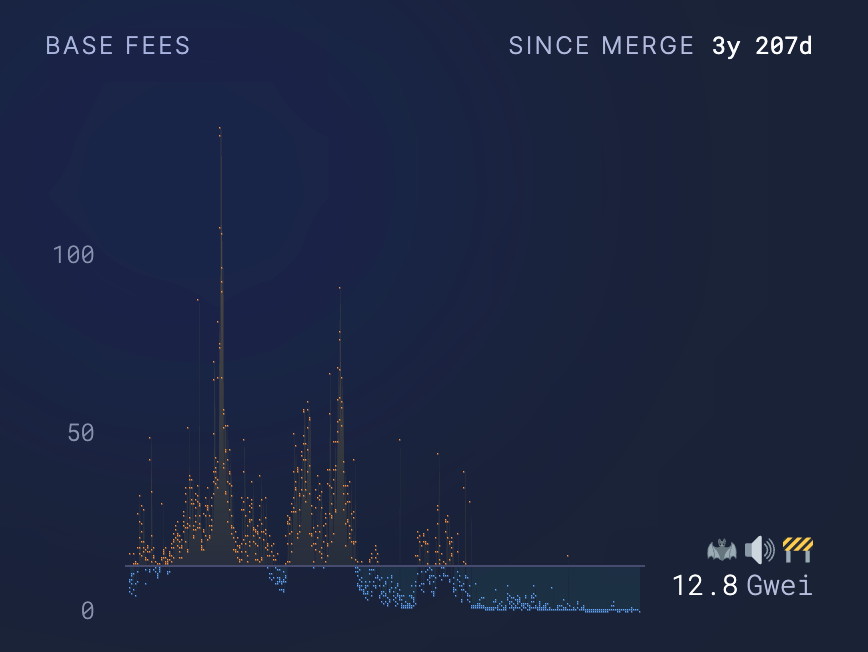
In the past, Ethereum was notorious for its high transaction fees. It was common for users to pay 10 dollars in fees just to deposit 10 dollars into a protocol—a situation where the cost outweighed the benefit. This made the old Ethereum feel like a closed platform reserved only for high-net-worth “whales.”
However, the Ethereum of today is different. Through continuous upgrades and the evolution of Layer 2 (L2) technology, gas fees have been drastically reduced. Now, small-scale investors can participate in Ethereum’s DeFi ecosystem and various financial products without the burden of heavy fees. This is a critical turning point for achieving true mass adoption.
3. A Sign of Institutional Trust: Cumulative Staking Volume

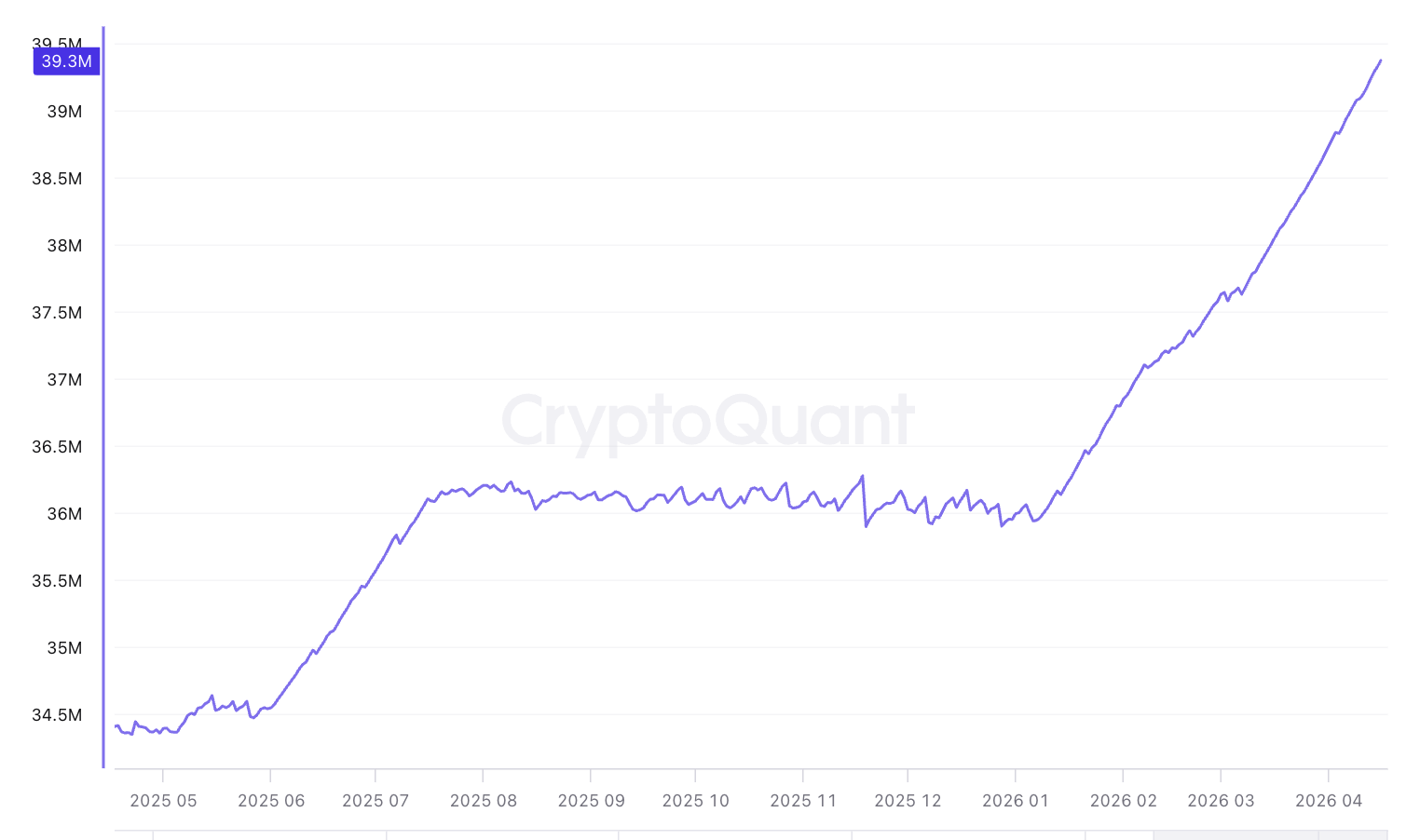
The strongest on-chain data proving trust in Ethereum’s value is the cumulative staking volume. Ethereum operates on a Proof of Stake (PoS) consensus, and becoming a validator requires staking 32 ETH.
Crucially, withdrawing these staked assets requires a set period (typically 1 to 3 weeks). This means an increase in staking volume indicates that large-scale capital—institutions and major validators—is locking up funds with a positive long-term outlook of at least a month or more, regardless of short-term price fluctuations.
Even during recent market corrections, the cumulative staking volume for Ethereum has continued its upward trajectory. This proves that while individual investors might be shaken by volatility, institutional-grade capital is doubling down on Ethereum’s long-term prospects.
4. Layer 2 Scalability: Subways and Highways for the Ethereum Hub
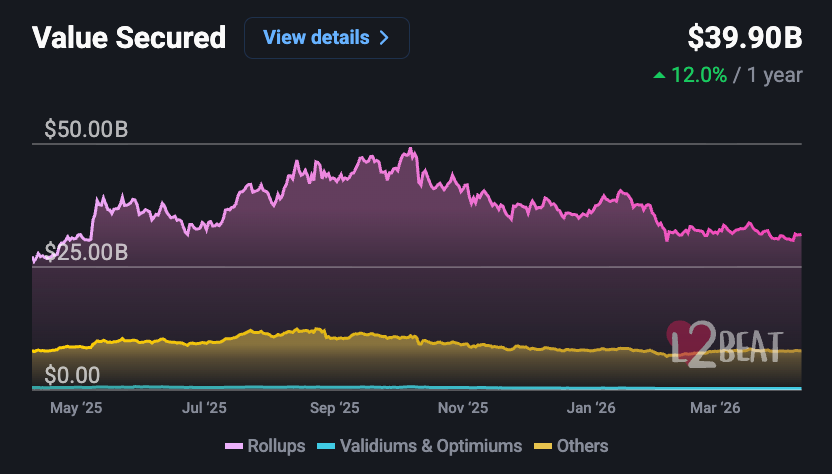
The core of Ethereum’s future roadmap is Layer 2. If the Ethereum Mainnet (Layer 1) is a major highway in the center of a metropolis, Layer 2 solutions act as the beltways, subways, and peripheral roads that resolve traffic congestion.
With the rise of various Layer 2 solutions like Arbitrum, Base, Polygon, and Mantle, the Ethereum ecosystem is expanding exponentially. While these Layer 2s appear to operate independently, they ultimately rely on the Ethereum chain for the final stage of security and consume Ethereum for fees. In short, as Layer 2s grow, the utility and value of Ethereum rise in tandem.
5. Institutional Shifts: DAT Companies and RWA Leadership
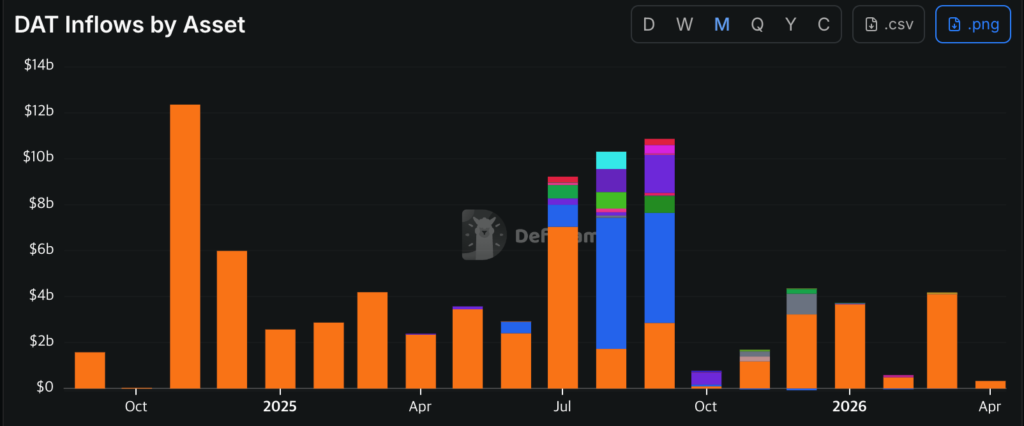
The global financial trend is also shifting in favor of Ethereum. Among DAT (Digital Asset-focused Strategy) companies that hold digital assets strategically, Ethereum is the second most held asset after Bitcoin. Some companies, like Bitmain, even focus specifically on holding Ethereum.
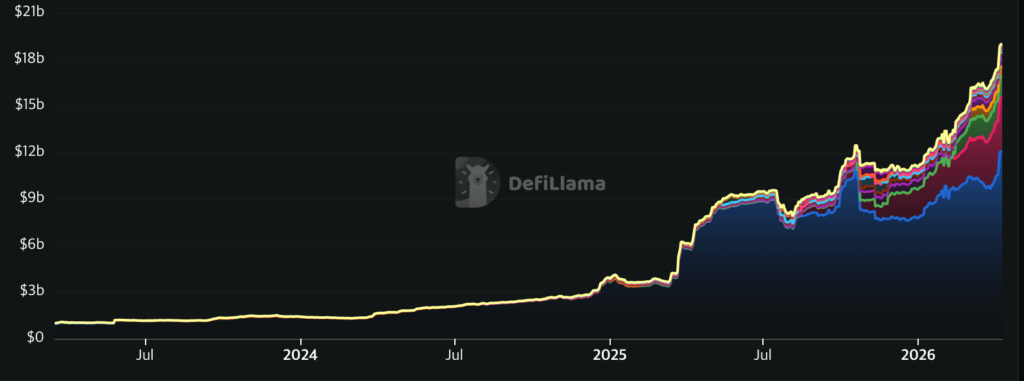
The most significant potential, however, lies in the RWA (Real World Asset) market. In institutional efforts to tokenize physical assets like stocks and bonds, Ethereum is the most frequently chosen platform. For financial institutions that prioritize stability and a conservative outlook, Ethereum has established itself as the most reliable infrastructure. This is why Ethereum is poised to be the primary beneficiary when RWA liquidity begins to flow in earnest.
Conclusion: Three Key Checklists for Ethereum Investment
The long-term investment value of Ethereum can be summarized as follows:
- Scarcity: Through its burn mechanism, it maintains a lower inflation rate than Bitcoin.
- Technical Fundamentals: With lower fees and Layer 2 expansion, it has completed the “vessel” needed to hold massive global liquidity.
- Institutional Benefit: As the standard platform for the RWA market, a direct inflow of institutional capital is expected.
If Bitcoin is the strategic asset that sets the market’s direction, Ethereum is the next-generation financial platform where actual economic activity takes place. Rather than being swayed by short-term volatility, try to look at the market with a long-term perspective, trusting the solid technical foundation Ethereum has built.
At TradingRM, we will continue to provide deep insights into the detailed DeFi markets and technical developments within the Ethereum ecosystem.